Understanding Car Overheating: Main Causes to Know
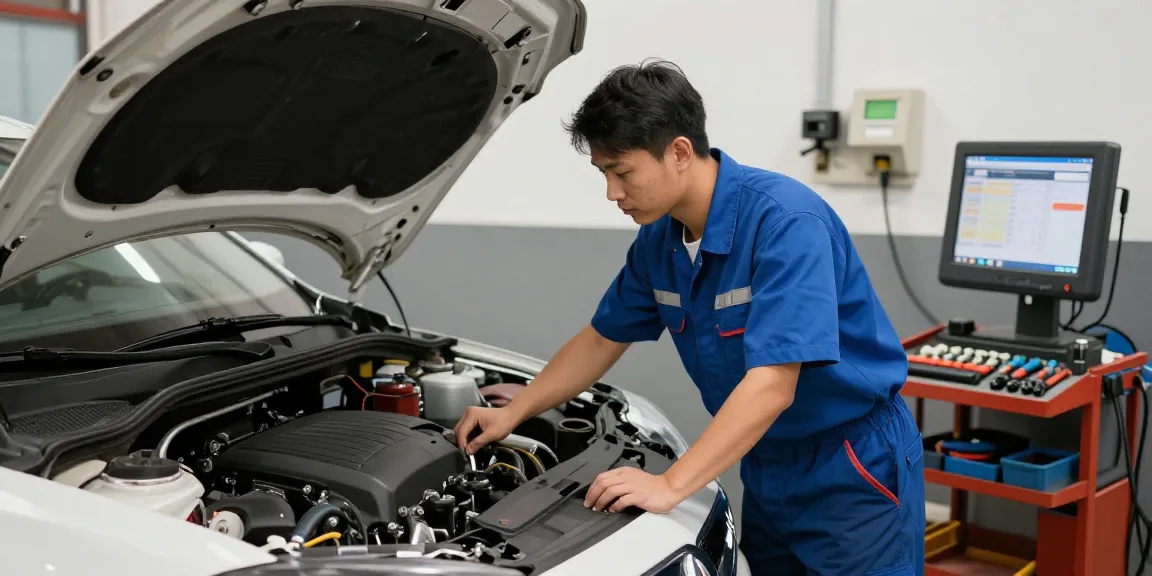
A car that overheats can lead to unexpected breakdowns and costly repairs. It’s critical for any vehicle owner to understand the underlying causes to effectively manage potential overheating issues. When your car overheats, it could be indicative of a range of problems, from minor leaks to major system failures. Understanding these causes allows you to take preemptive actions, ensuring your vehicle runs smoothly and reliably. If you’re faced with this frustrating situation, detailed guidance on what to do when your car overheats what to do is essential.
1. Low Coolant Levels and Leaks
One of the most common reasons for engine overheating is low coolant levels, which can result from several conditions, including leaks in the cooling system. Coolant is vital for maintaining the engine at optimal temperatures. If the coolant is leaking, whether through damaged hoses or a compromised radiator, it won’t be able to regulate the engine temperature properly.
2. Faulty Radiator and Fan Issues
The radiator’s job is to dissipate heat from the engine, and if it becomes clogged or damaged, its effectiveness is severely compromised. Additionally, if the radiator fan is not functioning due to a faulty motor or electrical issue, it will not provide the necessary airflow to cool the radiator. This dual failure can quickly lead to an overheating engine.
3. Thermostat and Water Pump Failures
The thermostat regulates the flow of coolant to the engine and its failure can cause the engine to overheat by preventing coolant from entering the engine. Similarly, the water pump is crucial for circulating coolant throughout the system. If these components fail, the cooling system can become ineffective, leading to overheating.
Immediate Steps to Take When Your Car Overheats
Understanding how to react quickly and correctly to an overheating engine can save you from severe damage. Being proactive and knowledgeable about immediate response actions is vital for every driver.
1. Signs Your Engine is Overheating
Recognizing the signs of an overheating engine is crucial. Symptoms include a temperature warning light on your dashboard, steam or smoke from the engine compartment, a burning smell, or a noticeable loss of power. If you experience any of these, it's vital to take action immediately.
2. Safe Procedures to Follow on the Road
As soon as you notice your engine is overheating, pull over to a safe location and turn off the engine. Do not attempt to see what is happening immediately, as the risks of burns can increase significantly. Wait for the engine to cool before examining anything, and check your coolant levels only when it's safe to do so.
3. When to Seek Professional Help
If your engine continues to overheat after taking the initial corrective actions, it’s crucial to contact a professional. Make sure to choose a licensed and experienced mechanic who can provide a thorough diagnosis and necessary repairs to avoid further damage to your vehicle.
Cost Analysis: What to Expect When Repairing Overheating Issues
Repair costs can vary widely depending on the underlying cause of the overheating. Understanding what you might expect in terms of costs can help you budget effectively for any potential repairs.
1. Average Repair Costs Explained
Minor issues like a coolant top-up could cost as little as $20. More extensive repairs, such as replacing a faulty water pump or fixing leaks, could range from $200 to $800. Complex issues, such as a damaged head gasket, may lead to repair bills exceeding $2,500.
2. Breakdown of Parts and Labor
When calculating potential repair costs, it’s essential to consider both parts and labor. Labor costs typically range from $70 to $150 per hour, depending on the service provider and region. Parts can vary, with new radiators costing anywhere from $200 to over $1,000 depending on the make and model of your car.
3. Cost-Saving Tips for Local Services
To keep costs down, it’s advisable to stay on top of regular maintenance. This includes checking fluid levels and conducting radiator flushes every two years. Look for mechanics who offer warranties on their work or discounted prices for repeat customers to ensure you receive quality care without overspending.
Prevention Strategies to Avoid Overheating
Preventive measures are always more effective than reactive ones when it comes to vehicle maintenance. Understanding how to keep your car cool can extend its lifespan and improve reliability.
1. Regular Maintenance Checks
A proactive approach involves regular maintenance checks at a trusted local auto service provider. Make it a habit to inspect your coolant levels and look for any leaks in hoses or connections every month, especially during the hotter summer months.
2. Quality Products to Use
Using high-quality coolant and ensuring your vehicle uses the right type of oil can dramatically affect performance. Always consult your owner's manual for the recommended fluids and products to minimize the risk of overheating.
3. Seasonal Advice for Your Vehicle
The climate can significantly affect your car’s performance. In extreme heat, parking in shaded areas or using sunshades can help keep the cabin cooler. Additionally, ensure that your cooling systems such as the radiator are clean and free from debris.
Choosing the Right Local Auto Repair Service
When the need arises for professional assistance, knowing how to choose the right service provider is crucial for effective and budget-conscious repairs. Trustworthy auto repair services can make all the difference.
1. What to Look for in a Trusted Provider
Look for licensed and insured mechanics with excellent reviews and ratings. An established business is often indicative of reliability and expertise, providing you with peace of mind for your vehicle repair needs.
2. Customer Reviews and Community Recommendations
Customer feedback can offer significant insight into quality and service. Check online forums, local community groups, and indeed read reviews on service websites to gather comprehensive feedback on auto repair shops in your area.
3. Asking the Right Questions Before Hiring
Before selecting a mechanic, ask about warranties, service guarantees, and turnaround times. Inquire about their experience with your specific vehicle make and model, as specialized knowledge can lead to better and quicker repairs.